
Posted: December 2, 2022
Antioxidant-rich specialty corn reduces necrotic enteritis.
Credit: BigStock
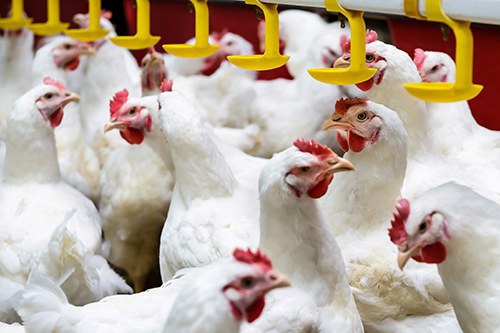
The inclusion of a high-flavonoid corn called pennhfd, developed by a Penn State maize geneticist, in the diets of broiler chickens reduced the incidence and severity of a fatal intestinal disorder, known as necrotic enteritis, in a recent study.
That result is important, according to study leader Gino Lorenzoni, assistant professor of poultry science and avian health, because it comes at a time when poultry producers are reducing their reliance on antibiotics to keep birds healthy. Due to concern about the emergence of antibiotic-resistant pathogens, producers need help keeping disease at bay among their flocks.
In findings published in Poultry Science, birds fed the PennHFD-based diet had a 48 percent lower incidence of intestinal lesions, higher body weight gain, and a 23 percent lower mortality rate compared to chicks fed the control diet. Penn State has applied for a provisional patent on feeding PennHFD as a poultry therapy.
--Jeff Mulhollem
Latest Issue

Features
Fostering Forests
Across the United States, forests face unprecedented threats, and scientists in Penn State's College of Agricultural Sciences are conducting novel and complex research to conserve them.
Buzzing With Purpose
Community scientists work to protect Pennsylvania's wild bees
Conservation Reimagined
Exploring new approaches to cope with a changing climate
