Penn State College of Agricultural Sciences
“Everyone in our college has a common purpose—solving the world’s most important problems.” Gabrielle Henrichs, Plant Sciences, Class of 2022
Healthy and affordable food. Clean air and water. Reliable energy. Vibrant economies and communities.
The Penn State College of Agricultural Sciences is in the hands-on business of producing the pioneering research, cutting-edge technology, and, most of all, leaders of tomorrow to tackle these challenges head on.
AgJourneys
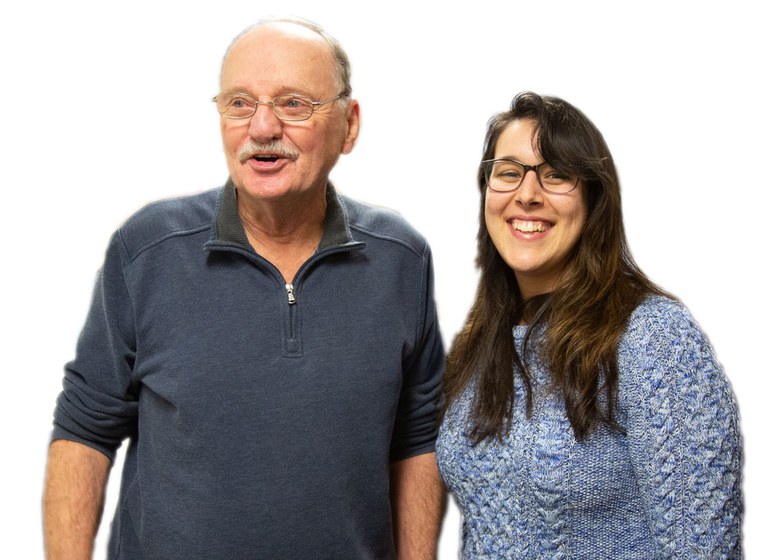
“My Penn State Ag journey is so much more than an education. They want you here. They want you as a classmate, as a student, as a teacher, and most of all as a friend. And when you leave, they want you to get out there and make an impact.”
Melissa Mercado, with professor and mentor Donald D. Davis, Ph.D.
$2.9+ Million in scholarships annually
75% of graduates completed an internship
200+ students study abroad annually
What's Happening in AgSci
News and Events from the Penn State College of Agricultural Sciences
April 12, 2024
Penn State’s College of Agricultural Sciences honors outstanding alumni
Penn State’s College of Agricultural Sciences recently honored three of its alumni with 2024 Outstanding Alumni Awards: Vijay Nandula, Shah Chowdhury and Hunter Swisher.
Read More
April 12, 2024
'Fertilizer Recommendation Support Tool' to digitize crop nutrient management
A nationwide team of agricultural scientists, including researchers at Penn State, has launched a decision aid that provides an unbiased, science-based interpretation of soil test phosphorus and potassium values for crop fertilization, with an eye toward potentially saving farmers millions of dollars annually while reducing excess nutrient losses to the environment.
Read More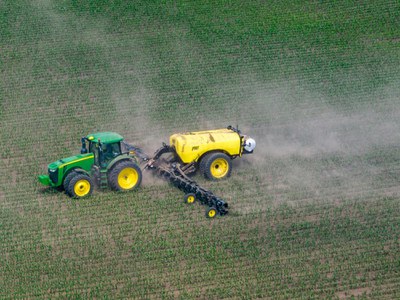
April 8, 2024
College of Ag Sciences recognizes students, faculty for exceptional achievements
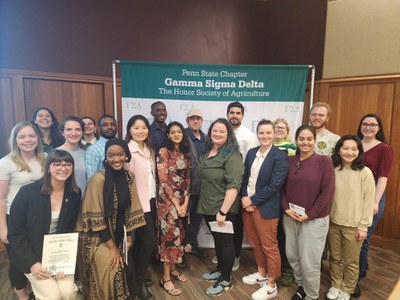
During its annual meeting on April 3, the Penn State chapter of Gamma Sigma Delta, the agricultural honor society, honored faculty and students from the College of Agricultural Sciences.
Read More