
Technologies for Agriculture and Living Systems
What if the same technologies that help us grow more food could also conserve our ecosystems and help our communities flourish?
The College of Agricultural Sciences envisions a future where advanced technologies help create sustainable, resilient agricultural systems interconnected with the living systems that sustain them.
A new vision for twenty-first century agroecosystems
The Technologies for Agriculture and Living Systems (TALiS) initiative is a unique, holistic approach that balances the need for increased food productivity and efficiency with a dedication to conserving our vital living systems.
These living systems include agriculture but also the adjacent forests, wetlands, and waterways—along with the biodiversity of plants, insects, and animals, and the resilience of our rural and urban communities. Pennsylvania’s landscapes offer an excellent testbed for integrating technologies across these different types of agriculture, natural, and social ecosystems. We envision Pennsylvania as a leader in developing and testing these integrated agroecosystems, serving as a living laboratory for scalable and practical solutions.
The TALiS initiative establishes a framework and roadmap to grow and support an entire pipeline of technological solutions, from early development to real-world application. These innovations in farming and ecology dramatically improve our ability to monitor and manage production and access to food, biodiversity and natural resources, and human health and wellbeing. This approach ensures a stable food supply, promotes environmental conservation, and boosts the economy of Pennsylvania by fostering innovation and creating new job opportunities.
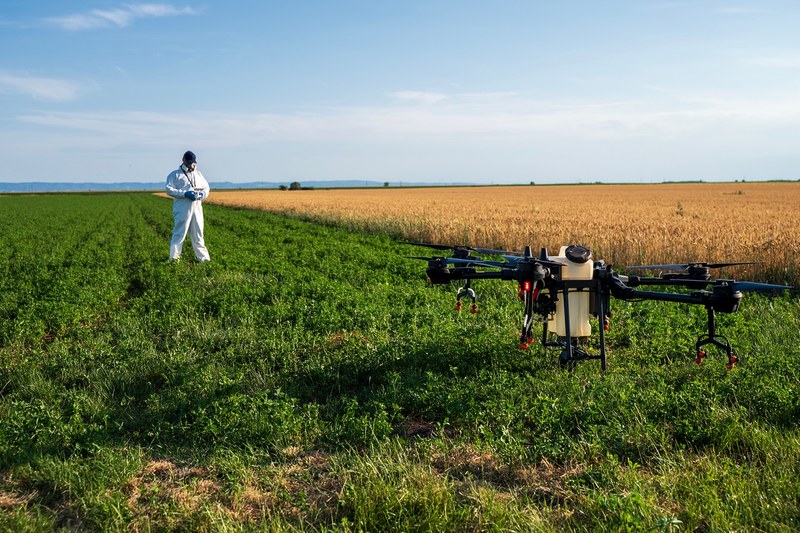
Leading balanced innovation through the TALiS initiative.
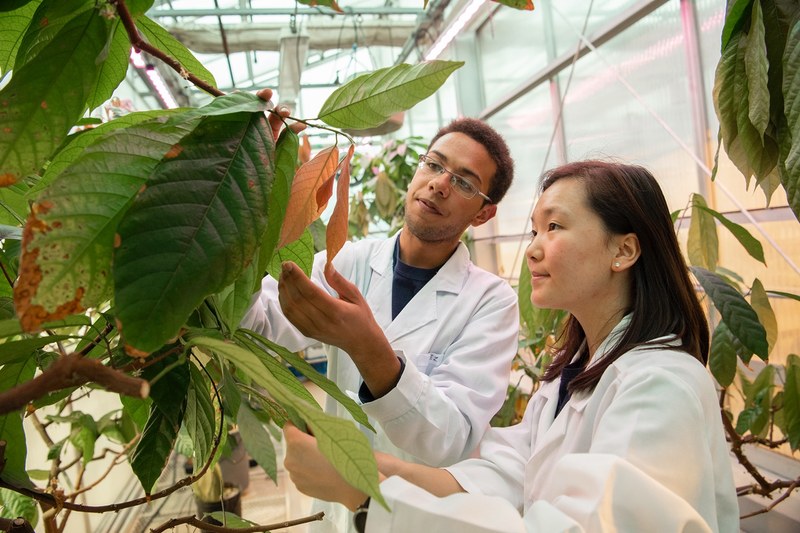
Developing and testing emerging and advanced technologies from the lab to the field.
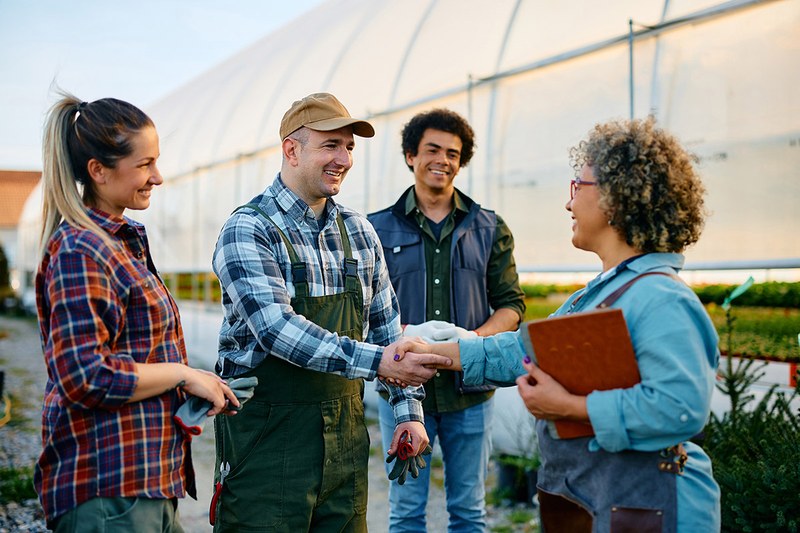
Integrating and leveraging strengths across the Commonwealth and Northeast region.

Providing unique and impactful opportunities to ensure a skilled workforce pipeline.

About the Symposium The Technologies for Agriculture and Living Systems Symposium initiates and fosters the productive partnerships necessary for the integration of emerging and advanced technologies to address the complex challenges we face with climate change, resource protection (soil, water, air), biodiversity losses, rural and urban health, and social and economic shifts within our communities.

TALiS Practitioners at Penn State are faculty from the College of Agricultural Sciences who are experts in their fields and practice under one or more of TALIS's three pillars: Robotics and Automation, Biotechnology, and Monitoring, Sensing, and Prediction.
Latest News
October 12, 2026
Modified lentil protein mimics fat in non-fat yogurt, researchers report
Modified lentil protein can act like fat in non-fat foods, especially yogurt, delivering creaminess and richness, according to a new study led by researchers at Penn State.
Read More
October 8, 2026
Mixing plant material with manure may be key to profitable biogas production
Adding plant biomass to manure may improve the profitability of the farming process that mitigates greenhouse gas emissions while producing renewable energy, according to a new study led by Penn State researchers.
Read More
September 10, 2026
Penn State dairy experts help farm improve production and profits
When milk fat levels began slipping at Seven Stars Dairy in Millerstown, the farm began looking for answers. An on-farm visit by Penn State dairy experts helped pinpoint the problem and identify a few small adjustments. Those changes helped reverse the months-long decline without adding labor or increasing feed costs.
Read More
September 10, 2026
Camera, AI assess turkeys, predict future body weight in study
Penn State researchers recently found that a camera paired with artificial intelligence could monitor individual turkeys and make reasonably accurate bodyweight predictions up to three weeks into the future.
Read More
Meet the Director
- Professor of Production Systems and Modeling
Areas of Expertise
- Agroecosystems
- Soil Carbon and Nitrogen Cycling
- Hydrologic and Nutrient Cycling Modeling
- Environmental Biophysics
- Plant Ecophysiology

